...

Category: Uncategorized

  • Senior Pet Care in Downtown Vancouver: Spring Wellness for Older Dogs and Cats

    Senior Pet Care in Downtown Vancouver: Spring Wellness for Older Dogs and Cats
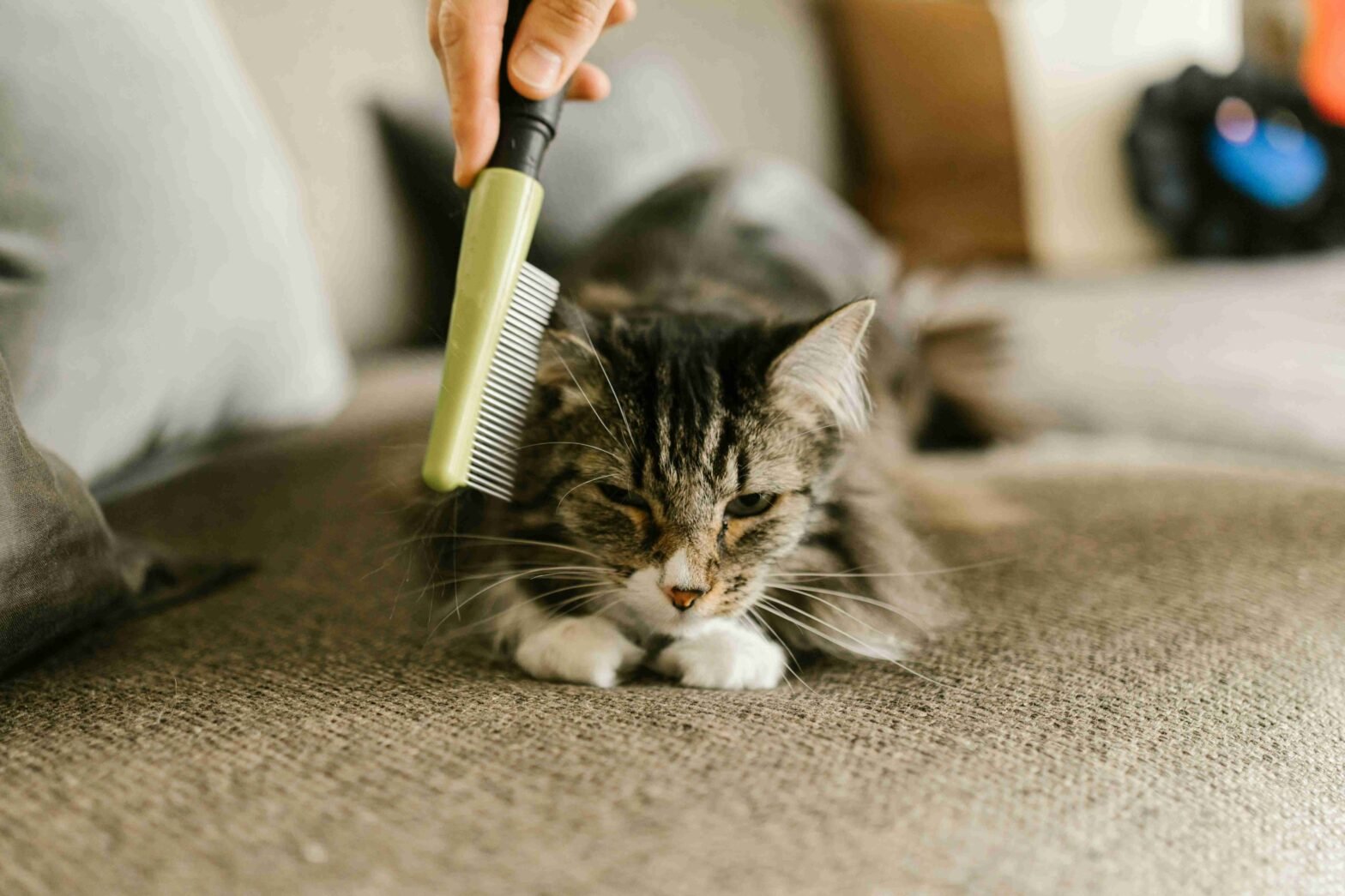
    As spring settles across Downtown Vancouver, the longer days and milder temperatures invite more outdoor time for pets and their families. For senior dogs and cats, the seasonal transition is an important time to reassess health, mobility, and comfort. Older pets experience changes in joint function, organ health, and energy levels that may become more noticeable as activity increases. Senior pet care in Downtown Vancouver focuses on early detection and proactive management, helping your pet enjoy the warmer months comfortably. Whether your senior dog takes gentle walks along the Seawall near David Lam Park or your older cat watches the world from a window perch overlooking the Yaletown streetscape, spring is the right time for a comprehensive wellness review.

    Why Spring Wellness Exams Matter for Senior Pets

    Senior pets benefit from more frequent veterinary assessments than younger animals. Conditions such as kidney disease, diabetes, thyroid imbalance, and arthritis can develop gradually and may not produce obvious symptoms until they have progressed. A spring wellness exam allows your veterinarian to establish updated baseline values for weight, blood pressure, and organ function. For dogs that walk the flat paths along the Seawall or through the quiet streets near Concord Pacific Place, subtle changes in gait or stamina may be the first sign of joint discomfort. For senior cats, a decrease in grooming, changes in litter box habits, or increased vocalisation may signal emerging health concerns. Pet diagnostics in Downtown Vancouver include in-house bloodwork, digital X-rays, and diagnostic imaging, providing same-day results that help your veterinarian develop a timely care plan. Early detection through routine diagnostics gives your senior pet the best chance at maintaining quality of life.

    Nutrition and Mobility Support for Ageing Pets

    Nutrition is a cornerstone of senior pet wellness. As metabolism slows and activity levels change, caloric needs shift. Senior-specific diets are formulated to support kidney function, maintain lean muscle mass, and provide joint-supporting nutrients such as omega-3 fatty acids and glucosamine. Overweight senior pets face increased strain on joints and organs, making weight management an essential part of their care plan. Your veterinarian can evaluate your pet’s body condition score and recommend dietary adjustments. Nutrition counselling in Downtown Vancouver at Homer Animal Hospital includes tailored diet planning that accounts for your pet’s breed, weight, activity level, and any existing medical conditions. Alongside nutrition, mobility support such as ramps, orthopaedic bedding, and appropriate exercise helps senior pets remain comfortable and engaged.

    Building a Long-Term Senior Wellness Plan

    A senior wellness plan extends beyond a single visit. It includes twice-yearly examinations, regular bloodwork, dental assessments, and ongoing communication between you and your veterinary team. Dental disease is common in older pets and can contribute to systemic health issues if left unaddressed. Pain management for conditions such as arthritis may involve a combination of medication, therapeutic approaches, and environmental modifications at home. For families in the Downtown Vancouver area, having a veterinary team that knows your pet’s history and tracks changes over time provides meaningful continuity of care. Medical services in Downtown Vancouver at Homer Animal Hospital are designed to support senior pets through every stage of ageing. Dr. Paramjit Sidhu and the team have helped families across Downtown Vancouver, Yaletown, the West End, Mount Pleasant, and Kitsilano care for their ageing companions with compassion and clinical thoroughness. With weekday hours until 7 p.m. and Saturday availability, scheduling your senior pet’s wellness visit is convenient and accessible.

    Frequently Asked Questions

    Q: When is a pet considered a senior?

    A: Most dogs are considered senior around seven years of age, though larger breeds may reach senior status earlier. Cats are generally considered senior between seven and ten years. Your veterinarian can help determine when to transition to a senior wellness schedule.

    Q: How often should a senior pet see the veterinarian?

    A: Senior pets benefit from wellness exams every six months. More frequent visits allow your veterinarian to track subtle changes in weight, mobility, organ function, and behaviour that may indicate emerging health concerns.

    Q: What bloodwork is recommended for senior pets?

    A: A senior wellness panel typically includes a complete blood count, biochemistry profile, thyroid screening, and urinalysis. These tests help evaluate kidney function, liver health, blood sugar levels, and other key indicators. Your veterinarian may recommend additional tests based on your pet’s history.

    Q: Can diet help manage arthritis in senior pets?

    A: Nutrition plays an important role in managing arthritis. Diets rich in omega-3 fatty acids and joint-supporting nutrients can reduce inflammation and support mobility. Your veterinarian can recommend a diet plan tailored to your senior pet’s specific needs.

    Q: What signs of ageing should I watch for in my pet?

    A: Common signs include reduced activity, difficulty rising or climbing stairs, changes in appetite or water consumption, weight gain or loss, cloudy eyes, and increased sleeping. Behavioural changes such as confusion or restlessness may indicate cognitive decline. Report any changes to your veterinarian.

    Help your senior pet thrive this spring. Book a wellness visit at Homer Animal Hospital. Call (604) 416-4114 or book an appointment online.

    Published by the team at Homer Animal Hospital.

    This article is for general educational purposes only and does not constitute veterinary advice. Always consult a licensed veterinarian before making decisions about your pet’s health. If you have concerns, contact Homer Animal Hospital at (604) 416-4114.

  • Cat Spay and Neuter in Downtown Vancouver: Indoor Safety Tips for Spring

    Cat Spay and Neuter in Downtown Vancouver: Indoor Safety Tips for Spring

    Spring in Downtown Vancouver brings warmer temperatures, open windows, and a shift in household routines that can introduce new risks for indoor cats. From toxic plants arriving as seasonal gifts to the increased temptation of unsecured balcony doors and condo windows, the transition into April deserves a closer look at your cat’s home environment. Cat spay neuter in Downtown Vancouver is one of the most effective steps you can take to reduce roaming behaviour, territorial spraying, and the risk of your cat escaping through an open door or window. Paired with a few practical home safety adjustments, spaying or neutering helps keep your indoor cat safe and comfortable throughout the season.

    Why Spaying or Neutering Supports Indoor Safety

    Unspayed and unneutered cats are more likely to exhibit roaming behaviour, particularly in spring when hormonal drives increase. An intact male cat may attempt to escape through an open window or balcony door, while an unspayed female may vocalize persistently and become restless. In the Yaletown and Downtown Vancouver area, high-rise condominiums and apartments present particular risks, as open windows and balconies can lead to falls or escapes. Spaying or neutering your cat reduces these behaviours and lowers the chance of your cat encountering traffic, wildlife, or other animals outside. Surgical services in Downtown Vancouver at Homer Animal Hospital include pre-surgical bloodwork, modern anaesthetic protocols, and post-operative pain management to support a safe recovery. The procedure also eliminates the risk of certain reproductive cancers and infections, providing long-term health benefits alongside improved indoor safety.

    Spring Household Hazards Every Cat Owner Should Know

    Spring introduces several household hazards that are particularly dangerous for cats. Easter lilies, tiger lilies, and Asiatic lilies are extremely toxic to cats, and even small amounts of pollen or water from the vase can cause kidney failure. Tulips, daffodils, and azaleas are also harmful if ingested. As Downtown Vancouver residents open windows and balcony doors to enjoy the spring air, unsecured screens or tilted windows create fall and escape risks. Spring cleaning products, including bleach-based solutions and essential oil diffusers, can cause respiratory irritation or poisoning in cats. Small items like string, rubber bands, and tinsel from spring decorations pose ingestion hazards. Veterinary care in Downtown Vancouver includes guidance on pet-proofing your home and recognizing early signs of toxin exposure. If you suspect your cat has ingested a toxic substance, contact your veterinarian promptly.

    Creating a Safe and Enriching Indoor Environment

    A safe indoor environment goes beyond removing hazards. Cats thrive when their space includes vertical climbing opportunities, window perches with secure screens, scratching posts, and interactive toys. Puzzle feeders and rotating toy selections help prevent boredom and reduce stress-related behaviours. For cats in Downtown Vancouver condos, window perches overlooking the Yaletown streetscape, False Creek, or the green canopy of David Lam Park provide visual stimulation without exposure to outdoor risks. Pet care services in Downtown Vancouver include wellness assessments that evaluate your cat’s weight, dental health, and behavioural patterns. Homer Animal Hospital, founded by Dr. Paramjit Sidhu, has supported cat owners across Downtown Vancouver, the West End, Mount Pleasant, and Kitsilano with comprehensive care that addresses both medical and environmental well-being. With weekday hours until 7 p.m. and Saturday availability, scheduling a consultation to discuss your cat’s indoor safety plan is convenient for busy households.

    Frequently Asked Questions

    Q: At what age should I spay or neuter my cat?

    A: Most veterinarians recommend spaying or neutering cats between four and six months of age. Your veterinarian at Homer Animal Hospital can advise on the appropriate timing based on your cat’s breed, weight, and health status.

    Q: Are Easter lilies dangerous for cats?

    A: All parts of the Easter lily plant are toxic to cats and can cause kidney failure if ingested. If your cat has contact with any lily, contact your veterinarian or an emergency clinic immediately.

    Q: How can I make my home safer for my indoor cat in spring?

    A: Secure open windows with screens, remove toxic plants including lilies and tulips, store cleaning products out of reach, and check that small items like string and rubber bands are not accessible. Providing enrichment such as climbing shelves and puzzle feeders supports both safety and mental health.

    Q: Does spaying or neutering change my cat’s behaviour?

    A: Spaying or neutering can reduce roaming, spraying, and territorial aggression. Activity levels and personality are generally maintained. Your veterinarian can discuss what to expect after the procedure.

    Q: How long is recovery after spay or neuter surgery for a cat?

    A: Most cats recover within 10 to 14 days. Your veterinary team will provide post-operative instructions including activity restriction and incision monitoring. Follow-up appointments ensure healing is on track.

    Keep your cat safe and healthy this spring. Book a consultation at Homer Animal Hospital. Call (604) 416-4114 or book an appointment online.

    Published by the team at Homer Animal Hospital.

    This article is for general educational purposes only and does not constitute veterinary advice. Always consult a licensed veterinarian before making decisions about your pet’s health. If you have concerns, contact Homer Animal Hospital at (604) 416-4114.

  • Dog Vaccinations in Downtown Vancouver: Your Spring Parasite Prevention Guide

    Dog Vaccinations in Downtown Vancouver: Your Spring Parasite Prevention Guide

    Spring in Downtown Vancouver means longer walks along the Seawall, afternoons in David Lam Park, and more time exploring the green spaces around Yaletown and False Creek. It also means the return of fleas, ticks, and parasites that thrive in the warmer, wetter months across the Lower Mainland. Dog vaccinations in Downtown Vancouver and a tailored prevention plan are essential steps in keeping your pet protected this season. Whether your dog explores the trails through Stanley Park or enjoys the off-leash areas near Coopers’ Park, April is the right time to review their preventive care with your veterinarian.

    Why Spring Parasite Prevention Matters in Metro Vancouver

    As temperatures climb across the Lower Mainland, flea and tick populations become increasingly active. Ticks can be found along wooded trails in Stanley Park, in the grassy areas of Vanier Park, and throughout the waterfront parks near False Creek. Fleas can be picked up from wildlife or other animals and quickly establish themselves in your home. Intestinal parasites are also more easily transmitted during the wetter spring months. Starting prevention early gives your dog the strongest protection before populations peak. In British Columbia, leptospirosis remains a year-round concern due to standing water and wildlife contact near waterways like False Creek and English Bay. Veterinary care in Downtown Vancouver includes a comprehensive review of your dog’s parasite risk factors, lifestyle, and vaccination status, helping you stay ahead of seasonal threats.

    Core Vaccinations and Seasonal Boosters for Dogs

    Spring is an ideal time to confirm your dog’s vaccination record is current. Core vaccines include protection against rabies, distemper, parvovirus, and adenovirus, all requiring periodic boosters. Your veterinarian may also recommend non-core vaccines such as Bordetella or leptospirosis depending on your dog’s exposure risk. Dogs that frequent the Seawall, visit off-leash parks in Yaletown and the West End, or spend time near the shoreline at Sunset Beach benefit from broader coverage. A pet wellness exam in Downtown Vancouver gives your veterinarian the opportunity to review your dog’s full health profile, update vaccines, and discuss any changes in behaviour or appetite noticed over the winter months. Keeping vaccines current protects your dog and supports the health of the broader pet community across the Downtown Vancouver area.

    Building a Year-Round Prevention Plan for Your Dog

    Effective parasite prevention works best as a continuous year-round plan. In spring, the focus is on flea, tick, and heartworm awareness. Through summer, hydration and heat safety become priorities. In autumn and winter, slug bait toxicity and antifreeze exposure become relevant across the Downtown Vancouver area, particularly near garden spaces and residential lanes. Your veterinarian can help build a 12-month prevention calendar covering all seasonal risks. Regular wellness visits allow your veterinary team to monitor weight, dental health, and organ function alongside preventive care. Pet care services in Downtown Vancouver are designed to support your dog through every life stage. Homer Animal Hospital, located on Pacific Street in the heart of Yaletown, provides comprehensive preventive care to families across Downtown Vancouver, the West End, Mount Pleasant, and Kitsilano. With weekday hours until 7 p.m. and Saturday availability, fitting a wellness visit into your schedule is straightforward. Investing in a proactive plan now reduces the likelihood of more complex health concerns later and keeps your dog active and comfortable in the Downtown Vancouver community.

    Frequently Asked Questions

    Q: When should my dog start flea and tick prevention in Vancouver?

    A: Veterinarians in Vancouver generally recommend starting flea and tick prevention in early spring as temperatures rise. Your veterinarian at Homer Animal Hospital can recommend the right product based on your dog’s lifestyle and outdoor exposure in the Downtown Vancouver area.

    Q: Is leptospirosis a risk for dogs in Downtown Vancouver?

    A: Leptospirosis is a year-round concern in British Columbia due to standing water and wildlife contact. Dogs that walk along the Seawall, through David Lam Park, or near the False Creek shoreline may benefit from vaccination. Your veterinarian can assess the risk.

    Q: What core vaccines does my adult dog need?

    A: Core vaccines typically include boosters for rabies, distemper, parvovirus, and adenovirus. Non-core vaccines such as Bordetella and leptospirosis may be recommended based on lifestyle. Your veterinarian will tailor the schedule to your dog’s needs.

    Q: How often should my dog have a wellness exam?

    A: Most adult dogs benefit from an annual wellness exam. Senior dogs may need visits every six months. These exams help catch changes early and keep preventive care on track.

    Q: Can ticks be found in the Downtown Vancouver area in spring?

    A: Ticks are present in grassy and wooded areas across Metro Vancouver, including Stanley Park, Pacific Spirit Regional Park, and green spaces along the False Creek shoreline. Checking your dog after walks and using prevention products are the most effective strategies.

    Give your dog the protection they deserve this spring. Book a wellness visit at Homer Animal Hospital. Call (604) 416-4114 or book an appointment online.

    Published by the team at Homer Animal Hospital.

    This article is for general educational purposes only and does not constitute veterinary advice. Always consult a licensed veterinarian before making decisions about your pet’s health. If you have concerns, contact Homer Animal Hospital at (604) 416-4114.

  • Spring Flea and Tick Prevention in Yaletown: Urban Pet Protection

    Spring Flea and Tick Prevention in Yaletown: Urban Pet Protection

    Spring brings parasite risks even in urban downtown Vancouver environments like Yaletown. Many pet owners mistakenly believe that city living provides protection from fleas and ticks, but these parasites thrive in urban settings. At Homer Animal Hospital, we help Yaletown pet owners establish effective spring prevention strategies. Both indoor and outdoor pets face spring parasite exposure. Understanding prevention options and implementing comprehensive approaches protects your beloved pet. Our flea and tick prevention in Yaletown helps pets stay healthy throughout the season.

    Urban Spring Parasite Risks in Yaletown

    Downtown Yaletown neighborhoods near David Lam Park and along the Seawall create diverse parasite habitats. Parks and green spaces throughout the area harbor fleas and ticks that become increasingly active as spring temperatures warm. Even indoor pets face parasite risk through human traffic bringing parasites inside on clothing or through windows and doors. Pets visiting parks, traveling in vehicles, or interacting with other animals face direct parasite exposure. Raccoons, opossums, and other urban wildlife carry fleas and ticks that spread to pet populations. Spring weather in downtown Vancouver typically reaches temperatures ideal for rapid parasite population increases. Parasite exposure can occur at multiple levels in high-density urban buildings. At Homer Animal Hospital in the Yaletown area, we emphasize that parasite prevention for pets in Yaletown is essential despite city living.

    Prevention Options for Urban Lifestyles

    Urban pets require prevention approaches fitting downtown living patterns. Topical on-site dispensing applied between shoulder blades prevents grooming-related ingestion while providing effective protection. Oral prevention offers non-topical alternatives suitable for pets and owners preferring pill administration. Flea and tick collars represent another option with varying protection durations. Environmental prevention, including regular vacuuming and washing of bedding, complements pet-based approaches. Air purifiers help reduce parasite exposure in enclosed urban apartments. Regular grooming allows early parasite detection. Keeping pets away from wildlife and other potentially exposed animals reduces direct exposure risk. Multiple prevention approaches combined offer superior protection compared to single methods. At our Yaletown location near George Wainborn Park, our veterinarians discuss prevention options matching your specific lifestyle and pet needs. We recommend spring pet wellness in Yaletown supporting urban pet protection.

    Spring Activity and Prevention Timing

    Spring activity increases in Yaletown as weather warms and pets spend more time outdoors. Parks become busier, increasing potential parasite exposure through wildlife and other animals. Longer days encourage more outdoor time and park visits. Walking routes near the Seawall expose pets to diverse environments where parasites concentrate. Spring is the ideal time to ensure prevention is in place before peak parasite activity. Beginning prevention in March or early April provides protection before flea and tick populations peak. Consistent implementation of chosen prevention methods maintains reliable protection. Calendar reminders help ensure doses are not missed, maintaining continuous protection. Year-round prevention proves more effective than seasonal approaches, preventing population buildup over winter. Homer Animal Hospital supports spring prevention planning through consultations and reminders. We help establish spring outdoor safety services in Yaletown fitting your lifestyle.

    Monitoring and Addressing Breakthrough Infestations

    Despite best prevention efforts, occasional breakthrough infestations occur. Recognizing early signs enables rapid intervention preventing complications. Excessive scratching, particularly around the head, neck, or rump areas, suggests flea infestation. Small black specks in the coat represent flea dirt confirming flea presence. Visible ticks on the skin require careful removal and assessment. Hair loss from scratching, skin irritation, or behavioral changes warrant professional evaluation. Some pets develop allergic responses to flea saliva causing severe reactions to light infestations. If you notice parasite signs despite prevention, contact Homer Animal Hospital immediately. Our veterinarians can assess whether breakthrough infestations occurred and recommend interventions. We provide supportive care for any complications developing from parasite exposure. Early detection and response minimize health impacts. Homer Animal Hospital in Yaletown offers prompt pet skin evaluation in Yaletown.

    Frequently Asked Questions

    Do pets in downtown Yaletown really need parasite prevention?

    Yes, urban pets face substantial parasite risk from wildlife, other animals, and human traffic. Downtown living does not eliminate parasite exposure.

    When should I start spring parasite prevention in Vancouver?

    Start prevention in March or early April, before temperatures consistently warm. Early prevention prevents infestations from establishing as activity increases.

    Which prevention method works best for Yaletown apartment living?

    Options vary by pet and preference. Discuss lifestyle factors with our veterinarians to identify the best approach for your situation.

    Can I give my pet an over-the-counter parasite prevention?

    While some options are available without prescription, veterinary-recommended prevention is typically more effective. Consult our team for appropriate recommendations.

    How often should I check my Yaletown pet for ticks?

    Check regularly, particularly after park visits or outdoor time. Daily checks catch ticks before they attach deeply.

    Is it safe to stop prevention during winter in downtown Vancouver?

    Year-round prevention is ideal. Mild winter temperatures and indoor living create conditions supporting parasite survival even in winter.

    Start your Yaletown pet’s spring parasite prevention plan today. Call Homer Animal Hospital at (604) 416-4114.

    Published by the team at Homer Animal Hospital.

    This article is for general educational purposes only and does not constitute veterinary advice. Always consult a licensed veterinarian before making decisions about your pet’s health. If you have concerns, contact Homer Animal Hospital at (604) 416-4114.

  • Your Puppy’s First Spring in Yaletown: Development and Care Guide

    Your Puppy’s First Spring in Yaletown: Development and Care Guide

    Your puppy’s first spring is a transformative period filled with growth, learning, and new experiences. For puppies growing up in downtown Vancouver’s vibrant Yaletown neighborhood, spring offers unique opportunities and challenges. At Homer Animal Hospital, we work with many first-time puppy owners navigating their young dog’s spring development. This guide covers essential care, socialization, and health considerations supporting healthy development. Spring provides ideal conditions for outdoor socialization and training in Yaletown’s parks and neighborhoods. Our puppy vaccinations in Yaletown ensure your young pet thrives during this critical growth period.

    Developmental Milestones and Growth Tracking

    Puppies experience rapid physical and behavioral development during spring months. Growth rates vary by breed, with large breeds growing substantially faster than small breeds. Weight gain and size increases may seem dramatic week to week. Your puppy’s permanent teeth begin erupting as baby teeth fall out, causing temporary discomfort. Behavioral development includes increasing independence, curiosity, and testing of boundaries. Play behavior becomes more sophisticated as puppies interact with other animals. Sensory development continues, with vision and hearing fully maturing. At Homer Animal Hospital in Yaletown, we monitor developmental progress through regular wellness visits. Spring wellness appointments track your puppy’s growth and development, ensuring appropriate progression. Our veterinarians identify any developmental concerns early, allowing timely intervention when needed. We provide puppy wellness exams in Yaletown supporting healthy growth.

    Spring Socialization in Urban Yaletown

    Spring weather in Yaletown provides excellent opportunities for puppy socialization. The warmer season brings increased foot traffic and activity in David Lam Park and along the Seawall, creating diverse social environments. Early positive exposure to varied people, animals, environments, and experiences shapes behavioral development significantly. Puppies in their socialization window (roughly 3 to 14 weeks of age) benefit tremendously from positive exposures. Urban socialization exposes puppies to noise, crowds, different surfaces, and varied stimuli inherent to downtown living. Puppy training classes provide structured socialization in controlled environments. Supervised interactions with vaccinated adult dogs teach important social skills. Careful exposure to diverse humans, including people of different appearances and ages, reduces fear responses. Urban environments offer naturally diverse socialization opportunities that rural areas cannot match. At Homer Animal Hospital near English Bay, we emphasize puppy parasite prevention in Yaletown supporting confident, well-adjusted adult dogs.

    Parasite Prevention and Vaccination Timing

    Spring puppies require carefully timed preventive care supporting developing immune systems. Vaccination schedules typically include multiple doses spaced weeks apart during puppies’s first months of life. Spring timing may align with critical vaccination windows, requiring coordinated scheduling. Parasite prevention appropriate for your puppy’s age protects against intestinal parasites, fleas, and ticks as your pet spends more time outdoors. Age-appropriate prevention differs from adult prevention, with dosing based on your puppy’s weight. Starting prevention before outdoor activity increases helps prevent parasite exposure. Your puppy’s veterinary team develops a timeline ensuring appropriate preventive coverage as your pet develops. At our Yaletown location near Seawall, we coordinate flea and tick prevention in Yaletown with your spring activities and socialization plans.

    Training and Behavior Foundation During Spring

    Spring provides ideal conditions for beginning structured training and establishing behavior foundations. Puppies in their first spring begin responding reliably to basic commands when training is consistent and positive. House training typically progresses through spring months as puppies gain bladder and bowel control. Leash training becomes essential for safe urban navigation in Yaletown neighborhoods. Recall training in safe, enclosed areas prepares puppies for eventual off-leash reliability. Socialization with other dogs teaches important social communication and play skills. Addressing emerging behavior concerns early prevents problems from solidifying. Positive reinforcement approaches work best with puppies, building enthusiasm for training. Spring training classes provide structured instruction and socialization simultaneously. Homer Animal Hospital supports spring puppy training through educational guidance and behavior consultations. We emphasize puppy training services in Yaletown building strong bonds and reliable behavior.

    Frequently Asked Questions

    When should I start obedience training for my spring puppy?

    Puppies can begin learning basic commands from 8 weeks of age. Spring training classes provide structured instruction. Early training builds foundations for lifelong behavior.

    How should I socialize my Yaletown puppy to urban environments?

    Gradual exposure to varied urban stimuli, including sounds, crowds, and different surfaces, helps puppies adapt. Supervised experiences in parks and neighborhoods support positive socialization.

    What vaccines does my spring puppy need?

    Puppies typically receive a series of vaccines starting at 6 to 8 weeks of age. Your veterinarian creates an appropriate schedule based on your puppy’s situation.

    Is my spring puppy ready for off-leash dog parks?

    Puppies should complete their vaccine series before attending dog parks. Even then, careful introduction and supervision are important for safety and positive experiences.

    How can I prevent parasites in my Yaletown puppy?

    Age-appropriate parasite prevention protects against exposure. Discuss prevention options with your veterinarian based on your puppy’s age and anticipated outdoor time.

    What signs indicate behavioral concerns requiring professional help?

    Excessive fear, aggression toward people or other dogs, or destructive behavior warrant professional assessment. Early intervention prevents problems from solidifying.

    Support your Yaletown puppy’s spring development. Schedule a consultation at Homer Animal Hospital by calling (604) 416-4114.

    Published by the team at Homer Animal Hospital.

    This article is for general educational purposes only and does not constitute veterinary advice. Always consult a licensed veterinarian before making decisions about your pet’s health. If you have concerns, contact Homer Animal Hospital at (604) 416-4114.

  • How Often Should Pets Get Dental Cleanings in Vancouver?

    How Often Should Pets Get Dental Cleanings in Vancouver?

    You brush your teeth twice a day, floss, and see your dentist regularly. But what about your dog or cat? If you’re like most pet owners in Vancouver, you’ve probably wondered whether your furry friend actually needs professional dental cleanings, and if so, how often.

    The short answer: most pets benefit from professional dental cleanings once a year, though some need them more frequently. But there’s more to it than a one-size-fits-all schedule. Your pet’s age, breed, diet, and overall health all play a role in determining the right frequency.

    Why Pet Dental Care Matters More Than You Think

    Here’s something that surprises many pet owners: dental disease affects roughly 80% of dogs and 70% of cats by age three. That’s not a typo. The majority of pets walking around Vancouver are dealing with some level of oral health issues, often without their owners realizing it.

    Poor dental health isn’t just about bad breath or yellow teeth. Bacteria from infected gums can enter the bloodstream and affect major organs like the heart, liver, and kidneys. I’ve seen cases where addressing dental problems improved a pet’s energy levels, appetite, and overall quality of life dramatically.

    At Homer Animal Hospital, veterinarians regularly encounter pets whose behaviour completely changes after dental treatment. Dogs who stopped playing suddenly become playful again. Cats who were hiding start seeking attention. The connection between oral health and overall wellbeing is undeniable.

    The General Rule: Annual Cleanings for Most Pets

    For the average healthy dog or cat, an annual professional cleaning is a solid baseline. This applies to pets between ages two and ten who don’t have existing dental problems.

    During these cleanings, your vet will remove tartar and plaque buildup that regular brushing can’t address. They’ll also check for issues like fractured teeth, gum disease, or oral tumors that might otherwise go unnoticed.

    But here’s where it gets individual. Just like some people are more prone to cavities despite good hygiene, some pets develop dental problems faster than others.

    Factors That Change the Schedule

    Breed and Size

    Small breed dogs, particularly toy breeds like Chihuahuas, Yorkshire Terriers, and Pomeranians, often need cleanings every six months. Their teeth are crowded together in small mouths, creating perfect hiding spots for plaque and bacteria. I’ve worked with Yorkie owners who were shocked to learn their three-year-old dog already had advanced periodontal disease.

    Brachycephalic breeds (those with flat faces like Bulldogs, Pugs, and Persian cats) also face higher risks due to their unique jaw structure and tooth alignment.

    Larger breeds tend to have better spacing between teeth, but they’re not immune. Greyhounds, for instance, are known for having particularly sensitive teeth and gums.

    Age

    Puppies and kittens rarely need professional cleanings, though getting them comfortable with tooth brushing early pays off later. Once they hit adulthood, that annual schedule becomes important.

    Senior pets, typically those over seven years old, might need more frequent attention. Older animals are more susceptible to dental disease, and catching problems early becomes increasingly important for their overall health.

    Diet and Chewing Habits

    What your pet eats affects their teeth. Dry kibble provides some mechanical cleaning action, while wet food tends to stick to teeth more easily. That said, diet alone won’t prevent dental disease.

    Pets who regularly chew appropriate dental toys or treats may maintain better oral health between cleanings. The keyword here is “appropriate.” Tennis balls, for example, are terrible for teeth despite being popular. The abrasive material actually wears down enamel. Safer options include rubber toys designed for dental health or veterinary-approved dental chews.

    Existing Dental Problems

    If your pet already has gingivitis, periodontal disease, or a history of tooth resorption (common in cats), you’re looking at cleanings every six months or even quarterly in severe cases.

    One cat owner I know brings their Persian in every four months due to chronic stomatitis. It sounds like a lot, but the alternative is constant pain and infection.

    Warning Signs Your Pet Needs Dental Attention Sooner

    Between scheduled cleanings, watch for these red flags:

    Bad breath that smells worse than typical “dog breath.” A truly foul odour often indicates infection.

    Yellow or brown buildup on teeth, especially near the gum line. Once tartar becomes visible, it’s already causing problems beneath the surface.

    Red, swollen, or bleeding gums. Healthy gums should be pink and firm.

    Changes in eating habits. Dropping food, chewing on one side only, or suddenly preferring soft food can signal dental pain.

    Pawing at the mouth or rubbing their face against furniture.

    Drooling more than usual, particularly if it’s bloody or has an unusual smell.

    If you notice any of these, don’t wait for the annual checkup. Contact your vet right away.

    What Actually Happens During a Professional Cleaning

    Many pet owners hesitate about dental cleanings because they require anaesthesia. That concern is valid, but modern veterinary anaesthesia is quite safe, especially with proper pre-anaesthetic bloodwork.

    Here’s why anaesthesia is necessary: unlike humans who can sit still with their mouths open, pets won’t cooperate for the thorough cleaning they need. Anaesthesia allows vets to safely clean below the gum line, take dental X-rays, and perform extractions if needed, all without causing fear or pain.

    A typical cleaning includes scaling to remove tartar, polishing to smooth tooth surfaces, and a complete oral examination. If X-rays reveal problems like root abscesses or bone loss, those issues get addressed during the same procedure.

    Home Care Between Professional Cleanings

    Professional cleanings are essential, but home care extends their benefits and may reduce how often your pet needs them.

    Daily tooth brushing is the gold standard. Yes, it takes patience to get pets accustomed to it, but most eventually tolerate or even enjoy the routine. Use pet-specific toothpaste (human toothpaste contains ingredients toxic to animals) and start slowly, perhaps just touching their teeth and gums at first.

    If brushing seems impossible, dental wipes, water additives, or veterinary-approved chews offer some benefit, though they’re not as effective as brushing.

    Regular oral checks at home help you spot problems early. Once a week, gently lift your pet’s lips and look at their teeth and gums. You’ll become familiar with what’s normal for them, making it easier to notice changes.

    The Cost-Benefit Reality

    Professional dental cleanings in Vancouver typically range from $500 to $1,500, depending on the clinic, your pet’s size, and whether extractions or other treatments are needed. That’s not pocket change.

    But consider this: treating advanced dental disease costs significantly more. A dog with severe periodontal disease might need multiple extractions, antibiotics, pain medication, and potentially treatment for secondary infections or organ damage. Those costs easily climb into the thousands.

    Regular preventive cleanings are genuinely more economical than dealing with dental emergencies. They’re also far less stressful for your pet.

    Making the Right Choice for Your Pet

    So how often should your specific pet get dental cleanings? Start with an annual schedule and adjust based on your vet’s recommendations after each examination.

    During regular wellness visits, your vet assesses your pet’s teeth and gums. They’ll tell you whether everything looks good for another year or whether more frequent cleanings would be beneficial. This individualized approach ensures your pet gets the care they actually need rather than following a rigid protocol.

    Pet dental care in Vancouver has improved tremendously over the past decade. More clinics offer advanced options like digital dental X-rays and specialized periodontal treatments. Taking advantage of these resources helps your companion live a longer, healthier, more comfortable life.

    Your dog or cat depends on you to make these healthcare decisions. Regular professional cleanings, combined with home care and attention to warning signs, give them the best chance at maintaining a healthy mouth. And a healthy mouth contributes to a healthy body.

    If you haven’t had your pet’s teeth checked recently, schedule an appointment. Even if everything looks fine to you, professional assessment often reveals problems invisible to untrained eyes. Dog dental care in Vancouver is readily available, and catching issues early always beats waiting until pain or infection forces your hand.


    FAQs

    How often do dogs need dental cleanings?
    Most dogs need professional dental cleanings once a year. Small breeds and those with existing dental issues may need cleanings every 6 months, while larger breeds with good oral health might go slightly longer between appointments.

    Is anaesthesia safe for dental cleanings in older pets?
    Yes, with proper pre-anaesthetic testing. Modern veterinary anaesthesia is generally safe for senior pets. Your vet will run bloodwork to check organ function and adjust the anaesthetic protocol based on your pet’s specific health status.

    Can I prevent dental disease without professional cleanings? Home care like daily brushing helps significantly but cannot replace professional cleanings. Tartar below the gum line requires veterinary equipment to remove, and only vets can properly assess for hidden problems like root infections.

    What are signs my pet needs dental work immediately?
    Severe bad breath, visible tartar buildup, red or bleeding gums, difficulty eating, pawing at the mouth, or facial swelling all warrant immediate veterinary attention rather than waiting for a scheduled cleaning.

    Do cats need dental cleanings as often as dogs?
    Yes, cats are equally prone to dental disease. Many cats actually need more frequent attention due to conditions like tooth resorption, which affects up to 75% of cats over five years old.

  • Dog Dental Cleaning in Vancouver: Costs, Process, and What to Expect

    Dog Dental Cleaning in Vancouver: Costs, Process, and What to Expect

    Your dog’s breath shouldn’t clear the room. If you’ve noticed your pup turning their head away when you lean in for a cuddle, or if their teeth look more yellow than white, it’s probably time to think about professional dental care. Just like humans, dogs need regular dental cleanings to prevent serious health issues, and if you’re in Vancouver, you’re likely wondering what this involves and how much it’ll set you back.

    Let me walk you through what actually happens during a dog dental cleaning, what you can expect to pay in Vancouver, and why this isn’t just about fresh breath (though that’s a nice bonus).

    Why Dog Dental Health Actually Matters

    Before we talk about the cleaning process itself, it’s worth understanding why veterinary dental care is so important. Poor dental hygiene in dogs isn’t just about stained teeth or bad breath. When plaque and tartar build up, bacteria can enter the bloodstream through diseased gums and affect major organs like the heart, liver, and kidneys.

    I’ve seen dogs come through Homer Animal Hospital with what their owners thought was just “doggy breath,” only to discover severe periodontal disease that required multiple tooth extractions. One case that stands out involved a seven-year-old Labrador whose owner had never scheduled a professional cleaning. By the time they brought him in, he had lost several teeth and needed extensive treatment that could have been prevented with regular care.

    According to veterinary dental specialists, about 80% of dogs show signs of dental disease by age three. That’s not a small number. The good news is that professional cleanings, combined with home care, can prevent most of these problems.

    What Happens During a Professional Dental Cleaning

    Let me be straight with you: a proper veterinary dental cleaning requires general anesthesia. I know that word makes a lot of pet parents nervous, but there’s no way to safely and thoroughly clean below the gum line while your dog is awake. The most important work happens where you can’t see it.

    Here’s what the process typically looks like:

    Pre-Anesthetic Exam and Bloodwork Before anything else, your vet will examine your dog and usually recommend bloodwork to make sure their organs can safely process anesthesia. This step is especially important for older dogs or those with existing health conditions. At places like Homer Animal Hospital, this exam helps identify any concerns before your dog goes under.

    Anesthesia and Monitoring Once cleared for the procedure, your dog receives anesthesia and is intubated to protect their airway. Throughout the entire cleaning, a trained technician monitors vital signs including heart rate, oxygen levels, and blood pressure.

    Scaling and Polishing The actual cleaning involves using ultrasonic scalers to remove tartar above and below the gum line. This is the part that’s impossible to do properly on an awake dog. After scaling, the teeth are polished to smooth the surface, which helps prevent future plaque buildup.

    Dental Charting and X-Rays Most comprehensive cleanings include full-mouth dental X-rays. These images reveal problems you can’t see just by looking, like root abscesses, bone loss, or retained baby teeth. The vet creates a dental chart documenting the condition of each tooth.

    Extractions if Necessary If any teeth are severely damaged or diseased, they may need to be extracted. This isn’t something vets do lightly, but keeping a bad tooth causes more harm than removing it.

    The entire process usually takes between 45 minutes to two hours, depending on your dog’s dental condition. Dogs with mild tartar buildup are obviously quicker than those needing multiple extractions.

    How Much Does Dog Dental Cleaning Cost in Vancouver?

    Let’s talk numbers, because this is often the biggest question pet owners have about dental care in Vancouver.

    A basic dental cleaning in Vancouver typically ranges from $500 to $1,200. That’s a pretty wide range, and here’s why: the final cost depends on several factors including your dog’s size, the severity of dental disease, whether extractions are needed, and what’s included in the quoted price.

    What Affects the Cost:

    Pre-anesthetic bloodwork usually adds $100 to $200. Dental X-rays can add another $150 to $300. If your dog needs tooth extractions, expect to pay $100 to $300 per tooth, depending on complexity. Pain medication and antibiotics add roughly $50 to $100.

    A cleaning with no complications might cost around $600 to $700. If your dog needs several extractions and has advanced periodontal disease, you could be looking at $1,500 or more. I’m not saying this to scare you, just to be realistic about the range.

    Why the Cost Matters Yes, it’s a significant expense. But compare that to the cost of treating advanced dental disease, which can run into thousands of dollars, not to mention the pain your dog experiences. Regular cleanings every one to three years (depending on your dog’s needs) actually save money long-term.

    Some Vancouver pet parents put off dental care because of the cost, and I understand that. But pet dental care in Vancouver has become more accessible with various payment plans and pet insurance options that cover routine dental work.

    Choosing the Right Veterinary Clinic for Dental Care

    Not all dental cleanings are created equal. When you’re researching pet dental care in Vancouver, ask specific questions:

    Does the clinic use modern anesthesia protocols with continuous monitoring? Are dental X-rays included or optional? What kind of post-operative pain management do they provide? Can you see the dental suite and meet the technicians who’ll be caring for your dog?

    A clinic that’s transparent about their process and costs is usually a good sign. You want a team that treats dental care as serious medicine, not a quick in-and-out service.

    What to Expect After the Cleaning

    Your dog will likely be groggy for several hours after pickup. This is completely normal. Most dogs bounce back quickly, often seeming more energetic within a day or two because they’re no longer dealing with chronic dental pain.

    If extractions were needed, your vet will send home pain medication and possibly antibiotics. Your dog might need to eat soft meals for a few days. One of my colleagues at Homer Animal Hospital always jokes that their own dog seemed disappointed when she had to return to regular kibble after enjoying a week of special meals.

    Between Professional Cleanings: Home Care Matters

    Professional cleanings are essential, but what you do at home makes a real difference in how often your dog needs them. Daily tooth brushing is the gold standard, though I’ll admit most people don’t manage it every single day (and that’s okay).

    Even brushing a few times a week helps. Use a dog-specific toothpaste (human toothpaste contains ingredients that are harmful to dogs). Dental chews and water additives can help too, though they’re not replacements for brushing or professional care.

    Some dogs tolerate brushing better than others. If yours absolutely refuses, talk to your vet about alternatives like dental diets or prescription dental chews.

    Signs Your Dog Needs a Dental Checkup

    You don’t need to wait for an annual exam if you notice warning signs. Bad breath that smells rotten (not just “dog breath”) is a red flag. Yellow or brown buildup on teeth, red or bleeding gums, difficulty eating or dropping food, pawing at the mouth, and swelling under the eyes can all indicate dental problems.

    If you see any of these signs, schedule an appointment. Dental disease progresses quickly, and catching problems early makes treatment easier and less expensive.

    The Bottom Line on Dog Dental Care in Vancouver

    Yes, professional dental cleanings require anesthesia, and yes, they cost money. But they’re one of the most important things you can do for your dog’s long-term health. The alternative untreated dental disease leads to pain, tooth loss, and potentially serious organ damage.

    In Vancouver, you have access to excellent veterinary care with experienced teams who perform these procedures daily. Take the time to find a clinic you trust, ask questions about their process and costs, and commit to regular dental care for your dog.

    Your dog can’t tell you when their teeth hurt. It’s up to us to notice the signs and take action. And honestly, coming home to a dog with fresh breath instead of room-clearing odour is a pretty nice bonus for everyone involved.


    FAQ

    How much does a dog dental cleaning cost in Vancouver?
    Dog dental cleaning in Vancouver typically costs between $500 and $1,200, depending on your dog’s size, dental condition, and whether extractions are needed. This usually includes anesthesia, scaling, polishing, and monitoring. Additional costs like X-rays and bloodwork may apply.

    Is anesthesia really necessary for dog teeth cleaning?
    Yes, anesthesia is required for proper dental cleaning. The most important work happens below the gum line, which is impossible to clean safely and thoroughly on an awake dog. Modern veterinary anesthesia is very safe when proper protocols are followed.

    How often does my dog need professional teeth cleaning?
    Most dogs need professional dental cleaning every one to three years, depending on their breed, diet, and home dental care routine. Smaller breeds and certain breeds prone to dental issues may need more frequent cleanings. Your vet can recommend a schedule based on your dog’s specific needs.

    What are signs my dog needs dental care?
    Watch for bad breath, yellow or brown tartar buildup, red or bleeding gums, difficulty eating, dropping food while chewing, pawing at the mouth, and any swelling around the face or under the eyes. If you notice any of these signs, schedule a veterinary exam.

    Can I brush my dog’s teeth at home instead of professional cleaning?
    Home brushing is important and helps extend time between professional cleanings, but it’s not a replacement. Only professional cleaning under anesthesia can remove tartar below the gum line and address existing dental disease. The best approach combines both professional and home care.

  • Helping Pets Adjust After Moving to a New Home

    Helping Pets Adjust After Moving to a New Home

    Everyone finds moving to a new house stressful, but pets may find it too much to handle. They may become uneasy around new sights, sounds, and smells, which could cause anxiety, appetite loss, or behavioral changes. For the happiness and wellbeing of pets, it is essential to assist them in feeling safe during this transition. Pets can adjust and flourish in their new surroundings with time, routine, and affection. We at Homer Animal Hospital, 421 Pacific St., Vancouver, BC, Canada | (604) 416-4114, recognize the emotional connection you have with your pet and are here to help you both navigate life’s major transitions.

    1. Keep Things You Know

    Your pet will feel more at ease in the new setting if you bring their favorite bedding, blankets, and toys. They can feel safer and less stressed when they are surrounded by familiar scents. Don’t replace everything at once; continuity is calming. At Homer Animal Hospital, we remind pet owners that during a significant life transition, even small, recognizable objects can serve as effective anchors.

    2. Adhere to Set Procedures

    The secret to reducing anxiety is consistency. Maintain regular bedtime routines, walk your pet at regular intervals, and feed them at the same times. Routine is essential for pets, and maintaining a predictable daily schedule gives them comfort. In order to minimize uncertainty and facilitate your pet’s transition period following a move, our veterinary team stresses the value of routines.

    3. Present Subtly

    Introduce your pet to each room of the house gradually rather than all at once. Let them explore gradually so they can get used to it. Overstimulation and fear can be avoided with gradual introductions. To help pets feel in control as they adjust to new environments, we at Homer Animal Hospital frequently suggest staged exposure.

    4. Control Stress Indications

    Keep an eye out for symptoms of stress, such as vocalizing, pacing, or hiding. These actions show that your pet needs patience and assurance. They can relax with more cuddles, soothing voices, and encouragement. At Homer Animal Hospital, we help pet owners identify stress signs early on and use gentle techniques to reassure and comfort their animals.

    5. Establish Secure Environments

    Every pet needs a safe haven where they can hide away and feel safe. Anxiety is lessened by creating a comfortable, peaceful area in the new house. When they need to relax, they turn to this safe haven. At Homer Animal Hospital, we suggest pet-friendly areas that strike a balance between familiarity, safety, and comfort during transitional periods.

    6. Go to the veterinarian

    Health problems can occasionally be concealed or brought on by stress. A veterinary checkup after a move guarantees that your pet’s health is stable. Additionally, it’s an opportunity to update records, ID tags, and microchips with the new address. With comprehensive examinations, we at Homer Animal Hospital facilitate transitions and ensure your pet remains content and healthy in their new home.

    Although moving can be difficult, it also marks the start of a brand-new journey full of happiness and cherished memories. For pets to feel comfortable in unfamiliar environments, stability and patience are essential. Your pet’s transition can go smoothly if you provide them with love, consistency, and assurance. Our kind staff at Homer Animal Hospital, 421 Pacific St., Vancouver, BC | (604) 416-4114, provides knowledgeable care and empathy to families during life transitions. By working together, we can make sure your pet thrives in their new home and feels safe and loved at every turn.

  • Why Obesity in Pets Is Rising and How to Prevent It

    Why Obesity in Pets Is Rising and How to Prevent It

    One of the health issues that is expanding the fastest is pet obesity, which is frequently disregarded until it leads to major problems. Pets who are overweight may develop diabetes, heart issues, and a shorter lifespan, just like people. Overfeeding, inactivity, and even emotional eating are frequently cited as causes of obesity. However, pet parents can avoid this struggle with love, awareness, and discipline. In addition to being thinner, a healthy pet is also happier, more active, and more playful. Prevention is the best gift you can give, according to us at Homer Animal Hospital, 421 Pacific St., Vancouver, BC, Canada | (604) 416-4114.

    1. The Culture of Overfeeding and Treating

    A lot of pet parents use food as a way to show their affection, which results in frequent treats and large meals. Portion control is crucial because pets don’t always know when to stop eating. Making healthy reward choices and keeping an eye on calories can have a significant impact. Our staff at Homer Animal Hospital helps pet owners strike a balance between love and nutrition without sacrificing their health.

    2. Insufficient Exercise

    Pets who lead busy lives frequently don’t get the exercise they require. While cats enjoy playing interactive games, dogs require daily walks and active play. Exercise supports emotional health and helps control weight. To support long-term health, our veterinarians place a strong emphasis on designing exercise regimens appropriate for your pet’s breed, size, and age.

    3. Boredom and Emotional Eating

    Pets can eat when they’re bored or nervous, just like people. When left unattended or unstimulated, indoor pets in particular may overeat. Reducing unnecessary eating can be achieved by offering toys, interactive feeders, and enrichment activities. At Homer Animal Hospital, we assist pet owners in creating enrichment programs that limit comfort-seeking behaviors centered around food while maintaining pet engagement.

    4. Metabolic Age

    Pets’ metabolisms naturally slow down as they get older, which makes weight gain easier. Senior pets in particular require modified diets that are higher in vital nutrients but lower in calories. Obesity may result from even typical eating habits if these adjustments are not made. To help aging pets stay healthy and active, our veterinary team creates specialized diet plans.

    5. Obesity’s Health Risks

    Diabetes, heart disease, breathing problems, and arthritis are all associated with obesity. These ailments shorten pets’ lifespans and lower their quality of life. Pet owners can shield their animals from expensive and painful conditions by controlling their weight. At Homer Animal Hospital, we assist you in keeping your pet at a safe weight and keep an eye out for health hazards early.

    6. Preventive Care Through Regular Treatment

    Weight and general health can be monitored with routine veterinary examinations. Obesity can be avoided with a healthy diet, regular exercise, and portion control. Consistently making small lifestyle changes has long-term effects. In order to ensure that pets live longer, healthier, and happier lives, we at Homer Animal Hospital assist pet parents with weight management programs.

    Obesity in pets is about longevity, happiness, and health, not looks. Their bodies and hearts are strained by every extra pound, which frequently reduces the amount of time you can spend with them. You can provide your pet with a healthier and happier life by emphasizing regular care, exercise, and well-balanced meals. We at Homer Animal Hospital, 421 Pacific St., Vancouver, BC | +1 (604) 416-4114, are here to support you along the way by providing expert advice and kind treatment. Because in addition to being lighter, a healthy pet is also more energetic, playful, and prepared to spend countless wonderful moments with you.

  • Why Dental Care is Crucial for Your Pet’s Health

    Why Dental Care is Crucial for Your Pet’s Health

    Just like humans, pets need regular dental care to maintain overall health. Poor oral hygiene can lead to serious issues like gum disease, tooth loss, and even heart or kidney problems. Brushing your pet’s teeth, offering dental chews, and scheduling professional cleanings with your vet can prevent these concerns. Start a dental care routine today to ensure your pet enjoys a lifetime of healthy smiles!

Skip to content